Context-aware threat detection
Developing intrusion and anomaly-detection methods that use operational and environmental context to identify insider and sensor-based attacks.
Alvaro de Castro · Cybersecurity researcher
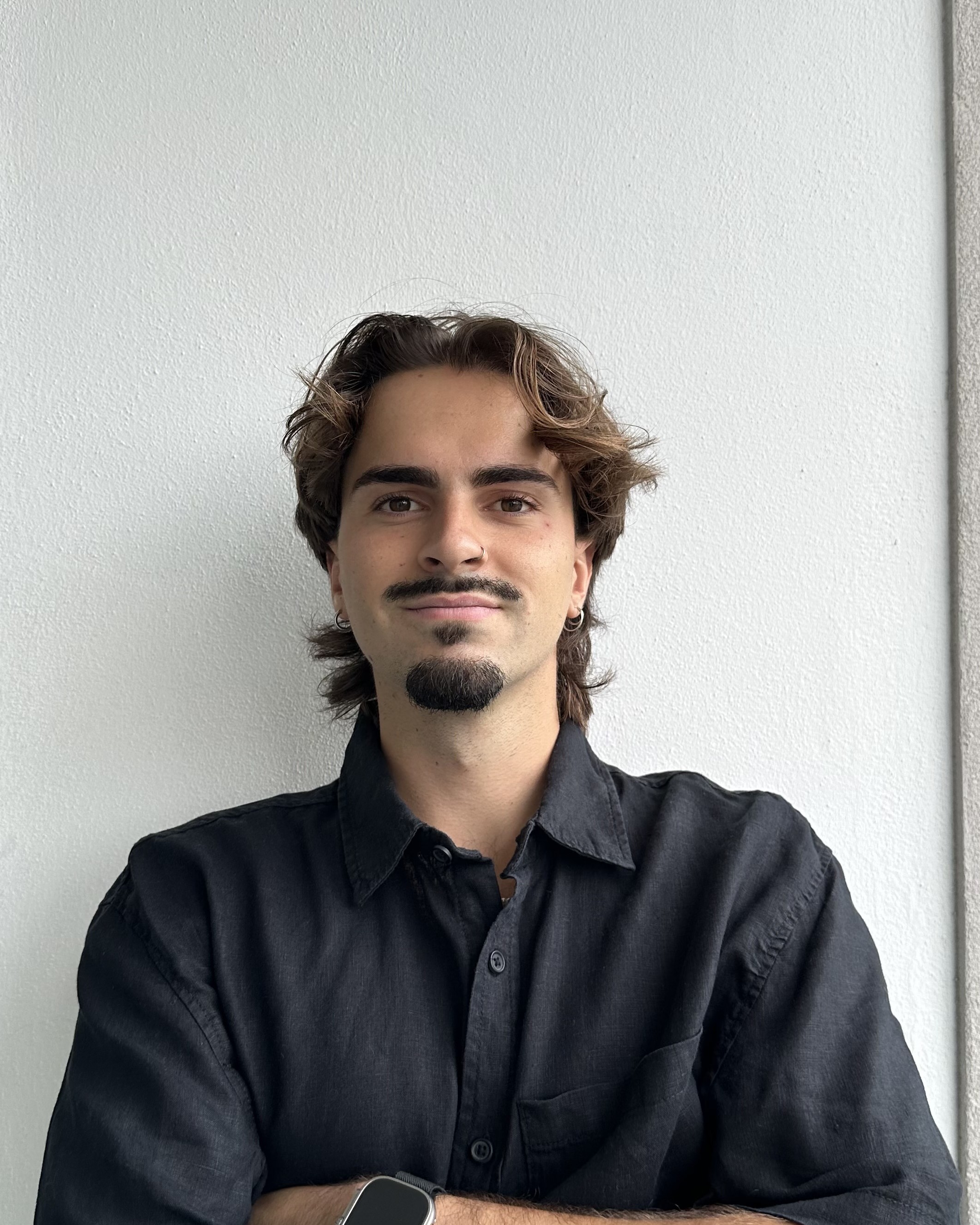
I am a Marie Skłodowska-Curie Doctoral Fellow at the University of Padua, where I research security challenges in automotive, autonomous, and cyber-physical systems. My work turns real attack surfaces into reproducible experiments and practical defenses.
Research focus
Developing intrusion and anomaly-detection methods that use operational and environmental context to identify insider and sensor-based attacks.
Securing shared environmental information in autonomous systems and evaluating data received from connected, apparently trusted participants.
Studying how stealthy attacks affect safety-sensitive decisions in transportation and other cyber-physical systems.
Academic activity
Recent academic and professional milestones.
View all updatesOnly updates with a verified day are marked.
Joined the SecReSy4You Doctoral Network at the University of Padua to research security and resilience in cyber-physical systems.
Began the PhD in Brain, Mind, and Computer Science, with a research focus on cybersecurity.
Recognised as a finalist in the Danobatgroup Award for Digital Transformation and the IKERLAN Award for the Most Innovative Project.
Frankfurt am Main, Germany
One of the authors presented “Attack Modelling and Intrusion Detection in a CAN-Based Smart Parking Cyber-Physical System” at the 6th ACM Workshop on Secure and Trustworthy Cyber-Physical Systems, co-located with ACM CODASPY 2026.
University of Jaén, Spain
Presented “Hack your CAN... and your Car: ¿Se puede hacker un coche real?”. El CAN (Controller Area Network) es uno de los principales protocolos de comunicación tanto en vehículos como en otros sistemas ciber-físicos (CPS). Vemos ejemplos y casos reales de cómo un compromiso en el CAN puede afectar a la seguridad y operación de estos sistemas críticos.
Crossref
Code & experiments
Some of the projects, experiments, and code developed alongside my research can be found on GitHub.
Visit GitHubContact
I welcome research collaborations, technical conversations, and opportunities to turn security questions into reproducible work.